Showing posts with label exercise. Show all posts

Friday, October 7, 2016

Glute Blaster Workout!

Ladies, we all know we want to tighten up the glutes. We are getting close to where everyone wears the infamous leggings! What better time than now to utilize these exercises? I compiled four main exercises I’ve been doing, and they are very simple to do at home!


·       Fire Hydrants
o   Get on hands and knees
o   Keep knees bent and lift leg out to side
o   Can either alternate legs, or do a full set then switch


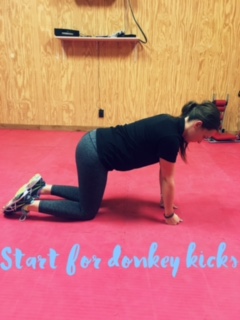
·       Donkey Kicks
o   Get on hands and knees
o   Kick one leg up
o   Can either alternate leg kicks, or do a full set then switch


·       Pulsing Squats (I used a barbell, but it is not necessary to perform this exercise)
o   Pull belly button to spine via the “draw in” maneuver
o   Feet about shoulder width apart
o   Keep back straight to prevent from swaying
o   Squat down (not a full squat) and make sure knees don’t come past the toes
o   Pulse (up and down slightly)


·       Walking Lunges (I used dumbbells, but it is not necessary to perform this exercise)
o   Take a step out in front, to allow the other leg to come down (knee almost to floor)
o   Do not let the knee come out further than your toes

o   Stand up and step back together


Thursday, October 6, 2016

Want To Save $2500 Per Year? Try Exercising!

Some people cite the cost of a gym membership as a deterrent to engaging in regular exercise. Others avoid the gym as it may seem overwhelming or intimidating for those unfamiliar with the equipment or environment. But joining a gym is not the only way to engage in exercise, and regardless of the setting, everyone should be focusing on incorporating regular exercise into their weekly routines. The American Heart Association currently advises engaging in at least 30 minutes of moderate-intensity aerobic activity five days a week, or at least 25 minutes of vigorous aerobic activity three days a week, or a combination of the two. Of primary importance to adding exercise are the health benefits: better cardiovascular health, weight management, blood sugar control, and on and on. But it could also be a tool to help save you money year after year.

A new study finds that the average adult with heart disease who exercises regularly can save $2,500 annually in health care costs. Even healthy people without heart troubles can expect to save about $500 per year by working out regularly, the report found. The study tracked 2012 data from more than 26,000 Americans aged 18 and older. Nearly one-third of those with heart disease and half of those without heart disease said they met standard guidelines for weekly moderate-to-vigorous exercise. As expected, those with heart disease did have higher overall healthcare costs, but those who followed the aforementioned AHA exercise recommendations averaged $2500 less than those who did not. Among people with no heart disease and a maximum of just one heart disease risk factor, the average yearly medical costs were about $500 less than for those who didn't exercise.

Aside from the advantages of improving one’s health with the addition of exercise, the big picture takeaway from the study was the health savings costs that could be lessened over the course of a lifetime. Even the high risk group from the study reported a much lower risk of being hospitalized, having an emergency room visit and or having to use more prescription medications. The researchers estimated that if just 20 percent of inactive heart disease patients met exercise goals, it could save the United States several billion dollars a year in health care costs. For the purpose of the study, moderate exercise included activity such as fast walking, lawn mowing, or heavy cleaning. Vigorous workouts included running or race walking, lap swimming or aerobics.

Health and fitness goals may vary from person to person, but the bottom line is clear: regular exercise can benefit not only your overall health, moods and ability to function on a daily basis, but it can offer a big benefit to your wallet and bank account as well.


Tuesday, September 6, 2016

6 Tips on Starting to Exercise and Keeping Your Promise to Yourself

We all have had something we are trying to achieve, and realize it was harder than we though. When it comes to exercise, it is very important and we need to keep the body healthy. We know it takes more than just saying you promise on Monday you are going to start going to the gym – we all need to be accountable!

· Find a workout buddy – It helps having someone besides yourself to keep you accountable when you try to avoid your workout. Plus, when the workout gets hard, they have your back!

· Look up gym classes – If you start scoping out classes and trying them, you can really find something you truly enjoy. Plus, when you find a class you really like you are more likely to go. Your group fitness instructor will even remember your name – you bet they may call you out if they notice you’ve missed a class!

· Always pack a bag – You never want to use the “well, I don’t have my bag,” excuse. If you always keep a change of clothes with you, the second you have some spare time you can get a couple minutes in at the gym. Who knows when your friend may ask you to join them at the gym!

· Set realistic and attainable goals – We all know it takes time to put weight on, just as it does to lose weight and gain muscle. Setting realistic goals helps you achieve them more successfully. You can always tack goals on, but you want to set yourself up for success. You can do this!

· Be positive – You are making a change, and you can stick to it. You are doing something for yourself that will help keep you healthy. It is worth it, and so are you.

· Stick to it – It takes at least a week to make a habit of something. Keep your workout time part of your schedule. You will get used to your designated time, and the day you miss you will feel thrown off. It just takes time!

Saturday, September 3, 2016

Using Exercise As A Tool To Eliminate Pre-Diabetes

Regular monitoring of your blood sugars is an important way to measure whether your lifestyle is either on track or leading you into an unhealthy place where you’d rather not be (meaning, the dreaded land of and diabetes). The first stage of that process is pre-diabetes, where the blood sugars are higher than normal, but not enough to be classified as full-blown diabetes. If this is your diagnosis, red flags should be waving and alarms going off! In other words, you need to embark ASAP on a plan that will get you moving in the opposite direction so that diabetes never comes into your health picture. The "gold standard" approach to diabetes prevention involves weight loss, diet and exercise, but for some people total lifestyle overhaul may be difficult all at once.

One particular study at Duke University looked at what the effects of exercise alone would be compared to the process described above. It included 150 people with prediabetes who were divided into four groups. One group followed a gold-standard program that included a low-fat, low-calorie diet and moderate-intensity exercise equivalent to 7.5 miles of brisk walking a week. The other participants were assigned to one of three exercise groups: low amount at moderate intensity equivalent to walking briskly for 7.5 miles a week; high amount at moderate intensity equal to walking briskly for 11.5 miles weekly; and high amount at vigorous intensity equivalent to jogging for 11.5 miles a week.

After six months, patients using the gold standard approach had an average 9 percent improvement in oral glucose tolerance -- a measure of how readily the body processes sugar and an indicator used to predict progression to diabetes. Among those who did exercise only, there was a 7 percent improvement in the moderate-intensity 11.5-mile group; a 5 percent improvement in the moderate-intensity, 7.5-mile group; and a 2 percent improvement in the vigorous-intensity 11.5-mile group.

Their results appeared to demonstrate that a high amount of moderate-intensity exercise alone provided nearly the same benefit on glucose tolerance that we see in the gold standard of fat and calorie restriction along with exercise. High-intensity exercise tends to burn glucose more than fat, while moderate-intensity exercise tends to burn fat more than glucose. Encouraging news, because even the addition of regular brisk walking for extended periods would add some benefit.

However, education here is key because exercise alone can make a difference, but it can’t make up for a poor quality diet (which usually is the main reason diabetes develops in the first place). Learning proper food choices so that the body can keep the sugars in a normal range AND help support healing and recovery from the exercise is the smartest approach. Not only will it help by keeping diabetes out of the picture, but it will also maximize your overall health on so many levels, you’ll be glad you made the extra effort!


Wednesday, June 29, 2016

Are Rest Days Important or No?


No matter how much you love to exercise, your body needs regular time away from the gym to rest, recover, and rebuild. Depending on how intense you train, you may need anywhere from 1 to 3 days off, each and every week, with an additional extended rest or de-loading week every second to third month.

Active rest involves replacing your scheduled workout with another, less intense form of movement. Not to be confused with complete rest, an active rest day doesn’t involve sitting on the couch, catching up on your shows (although it sounds good) and tossing back junk food. Schedule your active rest days when you schedule your workouts, making it a regular part of your plan. There are many benefits of active rest, aids recovery and decreases delayed onset muscle soreness, reduces over-use and repetitive strain injuries, increases exercise enjoyment and bolsters your immune system.

Some examples of active rest can include low intensity cardio, walking outdoors, swimming, golfing, yoga and even getting a nice massage. Whether your aiming to increase muscular size, strength or endurance, taking a day off between workouts is a great strategy for avoiding injury and ultimately reaching your health and fitness goals sooner.

Wednesday, January 27, 2016

Reduce Your Risk of FUTURE Back Pain by 25 to 40% -- It's Simple

Eighty percent of people will experience back pain at some point during their lives. It’s one of the most common health challenges, yet many people fail to find lasting relief, even after seeking medical help.
If you visit a doctor for back pain, you’re likely to receive a prescription as a solution. Acetaminophen (Tylenol) is the recommended first-line drug treatment for back pain, despite the fact that a recent systematic review and meta-analysis found it to be ineffective for this purpose.1

Chris Maher, a physical therapist and researcher at the University of Sydney in Australia told NPR:2
"We've got this perverse incentive in our health care system where we encourage people to innovate in terms of drugs, but we don't have the same system to get people to innovate in terms of physical activity."

Perhaps if we did, there would be a lot fewer people struggling with chronic back pain.
Exercise Works for Reducing Your Risk of Back Pain
Maher and colleagues reviewed 21 studies, which included more than 30,000 people, to determine what really works for preventing low back pain. Commonly recommended back belts and shoe insoles didn’t help but exercise did.3

Among people who had experienced back pain, those who exercised had a 25 percent to 40 percent lower risk of having another episode within a year than those who did no exercise.
Further, the type of exercise didn’t seem to matter. Strength exercises, aerobics, flexibility training and stretching were all beneficial in lowering the risk of back pain. This makes sense since your body needs regular activity to remain pain-free.
For example, when you sit for long periods of time, you typically end up shortening your iliacus, psoas, and quadratus lumborum muscles that connect from your lumbar region to the top of your femur and pelvis.
When these muscles are chronically short, it can cause severe pain when you stand up as they will effectively pull your lower back (lumbar) forward.
Imbalance among the anterior and posterior chains of muscles leads to many of the physical pains you experience. By rebalancing and strengthening these muscles, you can remedy many pains and discomforts, including low back pain and similar pains, like neck pain.
In one study of neck-pain patients, for instance, 30 percent of those who exercised became pain-free compared to just 13 percent of those treated with medication.4

Staying Active Is the Opposite of Sitting
It’s not surprising that exercise may help rid you of back pain, or that the type of exercise seems to be less important than the mere act of staying active. Pilates is another example.  

A Cochrane systematic review found that Pilates was more effective in relieving back pain and disability than minimal intervention, although it’s not necessarily superior to other exercises.11 What most types of exercise have in common is that they keep you up and active instead of sitting and sedentary.

Sitting puts more pressure on your spine than standing, and the toll on your back health is even worse if you're sitting hunched in front of a computer. It's estimated that 40 percent of people with back pain have spent long hours at their computer each day.

The disks in your back are meant to expand and contract as you move, which allows them to absorb blood and nutrients. When you sit, the disks are compressed and can lose flexibility over time. Sitting excessively can also increase your risk of herniated disks. Also it is important to recognize that continuous standing can also be problematic. The key is movement. 
In Health, 
Dr. Brad Niewierowski 

Exercise Works Best for Lower Back Pain


January 20, 2016  Mercola.com